Events

The Love Boat - Get Married Aboard Tall Ship Providence!

Fri. May 15th 10am-4pm

Spring into your marriage in unique fashion by having your ceremony aboard Tall Ship Providence, Alexandria’s very own Love Boat!  Alexandria Clerk of Court Greg Parks will perform your wedding ceremony in full 18th Century nautical uniform, along with staff and crew.  Whether you’re feeling colonial elegance or pirate thunder, Providence will be with you as you start your life together on her hallowed decks!  Spaces are limited so reserve your spot today!


Reservations $75/couple.  Couples are responsible for obtaining a marriage license.

Shanty Sing with Ship's Company Chanteymen

First time shanty singing and we had the best time. Will most assuredly return!! - Melissa T.

Monthly, 8-10 PM

Beginning March 26th

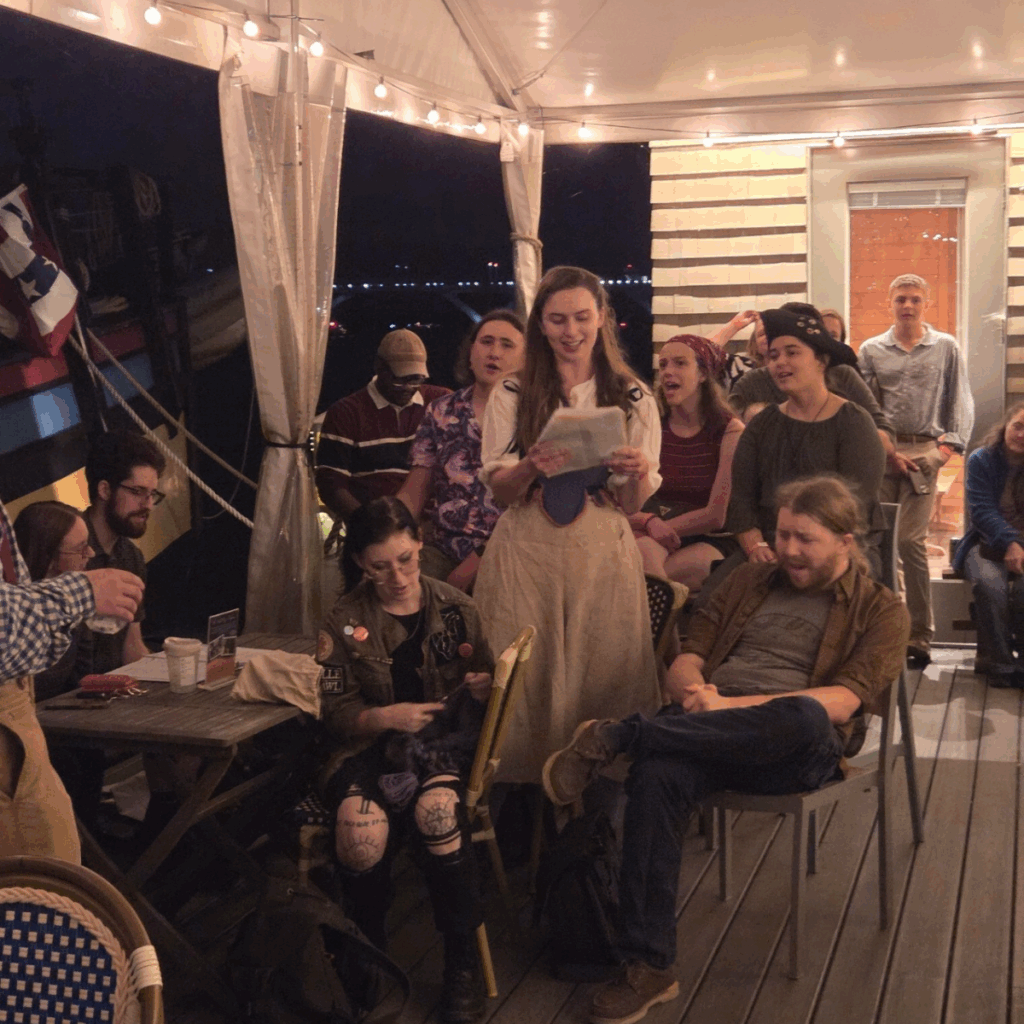
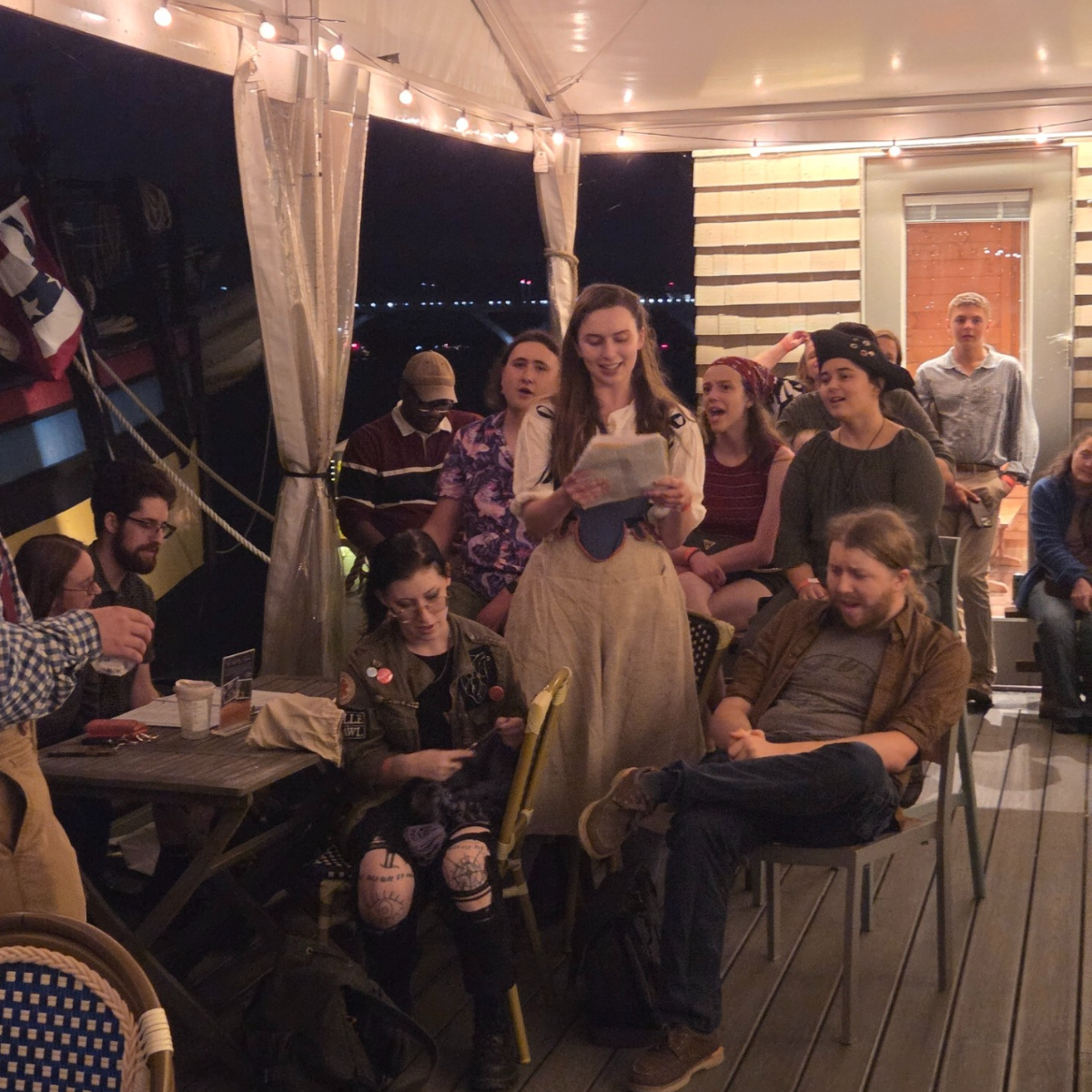
Join Tall Ship Providence and Ship’s Company Chanteymen for a monthly shanty sing at The Pier Bar!  Come dressed in your best pirate garb, grab a drink from The Pier Bar, and sing along with traditional sea shanties!  Request Ship’s Company to lead your favorite sea shanty, or volunteer to lead it yourself!


Tickets $10/person. Drinks not included.

Sea Story Speaker Series

Thurs. APRIL 9th, 7-8:30 PM

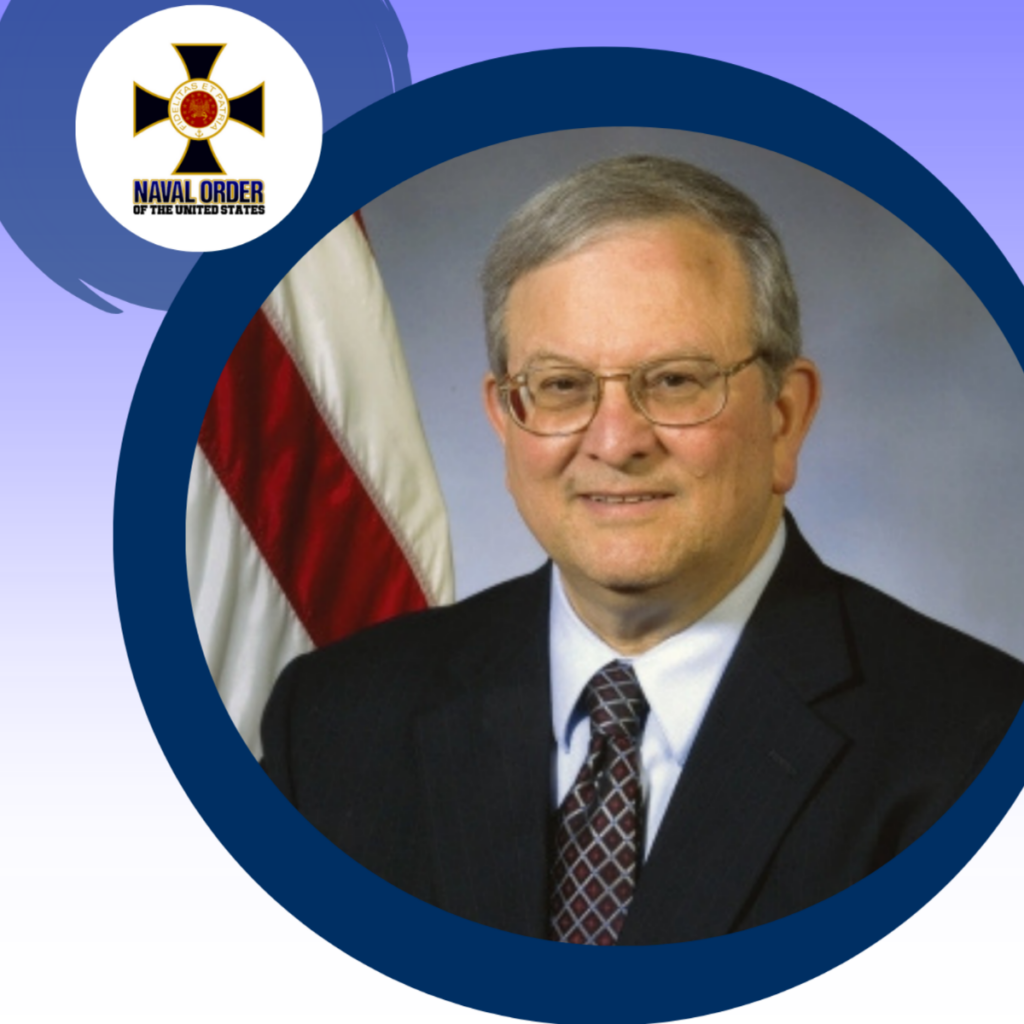
In this installment of our series, Dr. Sheppard tells the story of the creation of the American Navy. Rather than focus on the well-known frigate duels and fleet engagements, Thomas Sheppard emphasizes the overlooked story of the institutional formation of the Navy. Sheppard looks at civilian control of the military, and how this concept evolved in the early American republic. For naval officers obsessed with honor and reputation, being willing to put themselves in harm’s way was never a problem, but they were far less enthusiastic about taking orders from a civilian Secretary of the Navy. Accustomed to giving orders and receiving absolute obedience at sea, captains were quick to engage in blatantly insubordinate behavior towards their superiors in Washington.


The civilian government did not always discourage such thinking. The new American nation needed leaders who were zealous for their honor and quick to engage in heroic acts on behalf of their nation. The most troublesome officers could also be the most effective during the Revolution and the Quasi and Barbary Wars. First Secretary of the Navy Benjamin Stoddert tolerated insubordination from “spirited” officers who secured respect for the American republic from European powers. However, by the end of the War of 1812, the culture of the Navy’s officer corps had grown considerably when it came to civil-military strains. A new generation of naval officers, far more attuned to duty and subordination, had risen to prominence, and Stoddert’s successors increasingly demanded recognition of civilian supremacy from the officer corps. Although the creation of the Board of Navy Commissioners in 1815 gave the officer corps a greater role in managing the Navy, by that time the authority of the Secretary of the Navy—as an extension of the president—was firmly entrenched.

Dr. Sheppard is an Assistant Professor of Military History at the Marine Corps University Command and Staff College in Quantico, Virginia. He earned his doctorate in military history from the University of North Carolina at Chapel Hill. His work has appeared in the Journal of Military History and Strategic Studies Quarterly. He lives in northern Virginia.

Dr. Sheppard is the author of Commanding Petty Despots: The American Navy in the Early Republic, as well as articles published in the Journal of Military History and articles published through the Naval History and Heritage Command.

Tickets $15/person.  Includes a drink ticket for The Pier Bar.

Space is limited!